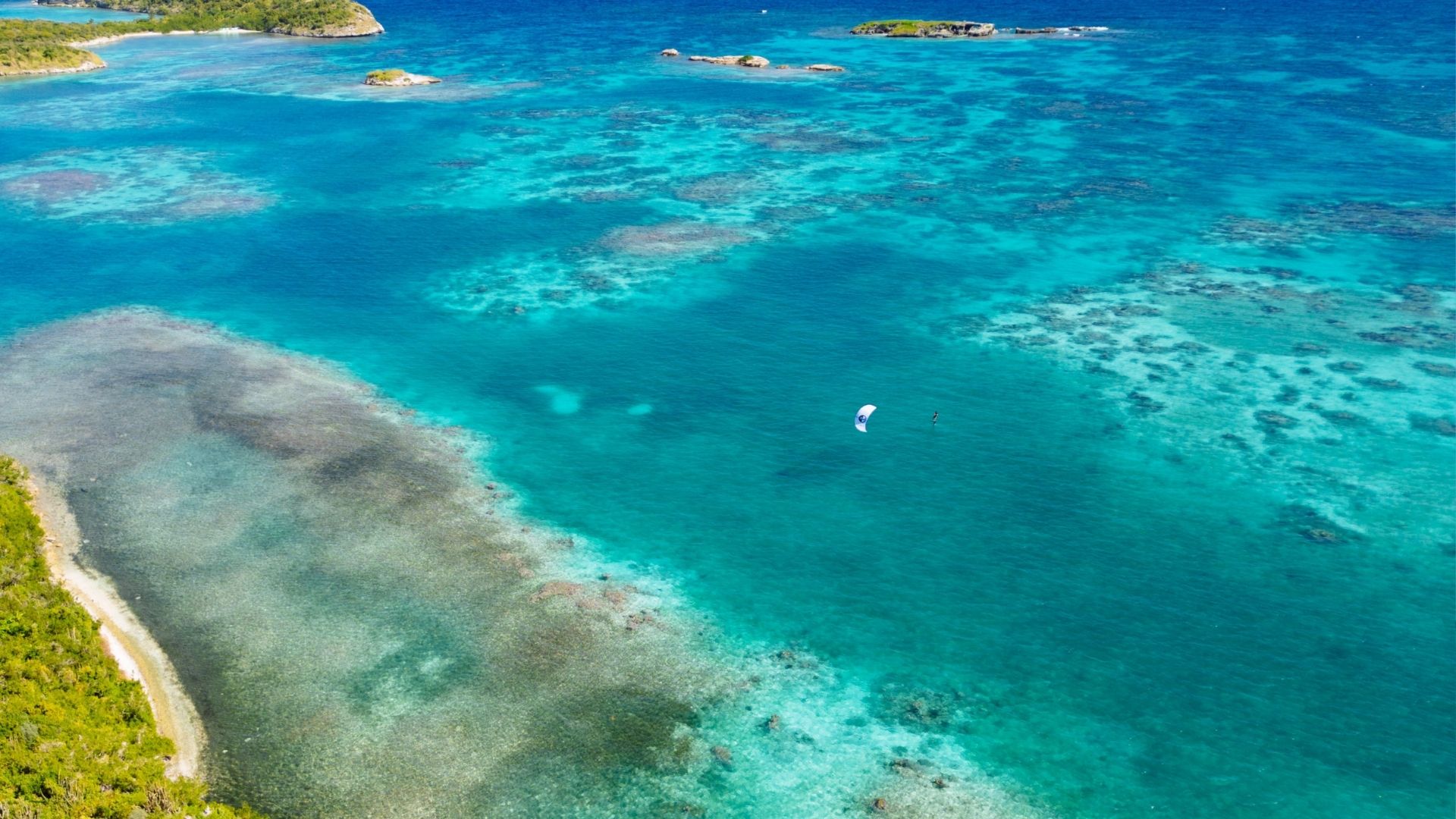
Antigua sits right in the belt of the Caribbean trade winds, which means kiteable wind for most of the year. But 'kiteable' and 'perfect' are two different things - and if you're planning a trip from overseas, timing your visit well can turn a good week into an unforgettable one. Here's the honest local view, month by month.
The Short Answer: December to May
Peak season for kitesurfing in Antigua runs from mid-December through the end of May. During these months, the trade winds - generally east, sometimes northeast or southeast - are at their strongest and most consistent. You can realistically expect wind on 5 or 6 days out of 7, often in the 15-25 knot range.
This period also brings the driest, sunniest weather. Humidity drops, mornings are crisp for the tropics, and rain tends to come as short, refreshing squalls rather than long grey stretches.
If you can only travel once and you want to maximise your chances of great sessions every day, aim for January, February or March.
Shoulder Season: November & June-July
November and June/July are the shoulder months. The wind is still there most days, just a touch lighter and more variable. You'll typically be riding a bigger kite than in peak season, and you'll get the occasional glassy day - great for wing foiling, snorkelling or a downwinder rather than a hard freeride session.
Upside: fewer tourists, better prices on accommodation, and the island feels more relaxed. If you're flexible and combining kiting with a broader Caribbean holiday, shoulder season is a smart choice.
Low Season: August to Mid-November
August through mid-November is the quietest period. Wind is much less reliable, and this is also the peak of Atlantic hurricane season. We generally pause new bookings during this window and use it for maintenance and travel.
It's not impossible to kite in this period - you'll get some good days - but we wouldn't recommend building a trip around it.
Month-by-Month Snapshot
December: Season kicks in. Wind builds steadily, air temp around 26-28°C, water around 27°C.
January-March: Prime time. Strongest and most consistent trades, driest weather, biggest kite community on the island.
April-May: Still excellent. Slightly warmer, still very reliable wind. Antigua Sailing Week in late April adds a great atmosphere.
June-July: Shoulder. Lighter winds, warmer water, quieter beaches. Good for wing foiling and mixed watersport trips.
August-November: Low season / hurricane window. Not recommended for a dedicated kite trip.
What About Water & Air Temperature?
Water temperature in Antigua barely moves - it sits around 26-28°C (79-82°F) all year. You'll be in boardshorts or a bikini every session; a rash vest for sun protection is more important than any wetsuit.
Air temperature ranges from about 24°C in the coolest peak-season mornings to around 31°C in summer afternoons. It's genuinely one of the most comfortable climates in the world to spend all day on the water.
Frequently Asked Questions
What's the windiest month in Antigua?
January through March are typically the windiest and most consistent months, with trades regularly in the 18-25 knot range.
Can I kitesurf in Antigua in summer?
June and July still deliver plenty of usable wind, just lighter and less consistent than peak season. August through mid-November is hurricane season and we don't recommend it for a dedicated kite trip.
Do I need a wetsuit?
No. Water temperature sits around 27°C year-round. A rash vest for sun protection is more useful than a wetsuit.
How far in advance should I book lessons?
For peak season (December-May) we recommend booking 4-8 weeks ahead. Shoulder season is usually more flexible.
Plan Your Antigua Kite Trip
Tell us your dates and level and we'll help you build the trip - lessons, guided sessions, or a Private Watersports Charter.
Related Guides

Related Experiences
Plan Your Adventure
No pressure - just three easy ways to work out what suits you best.